
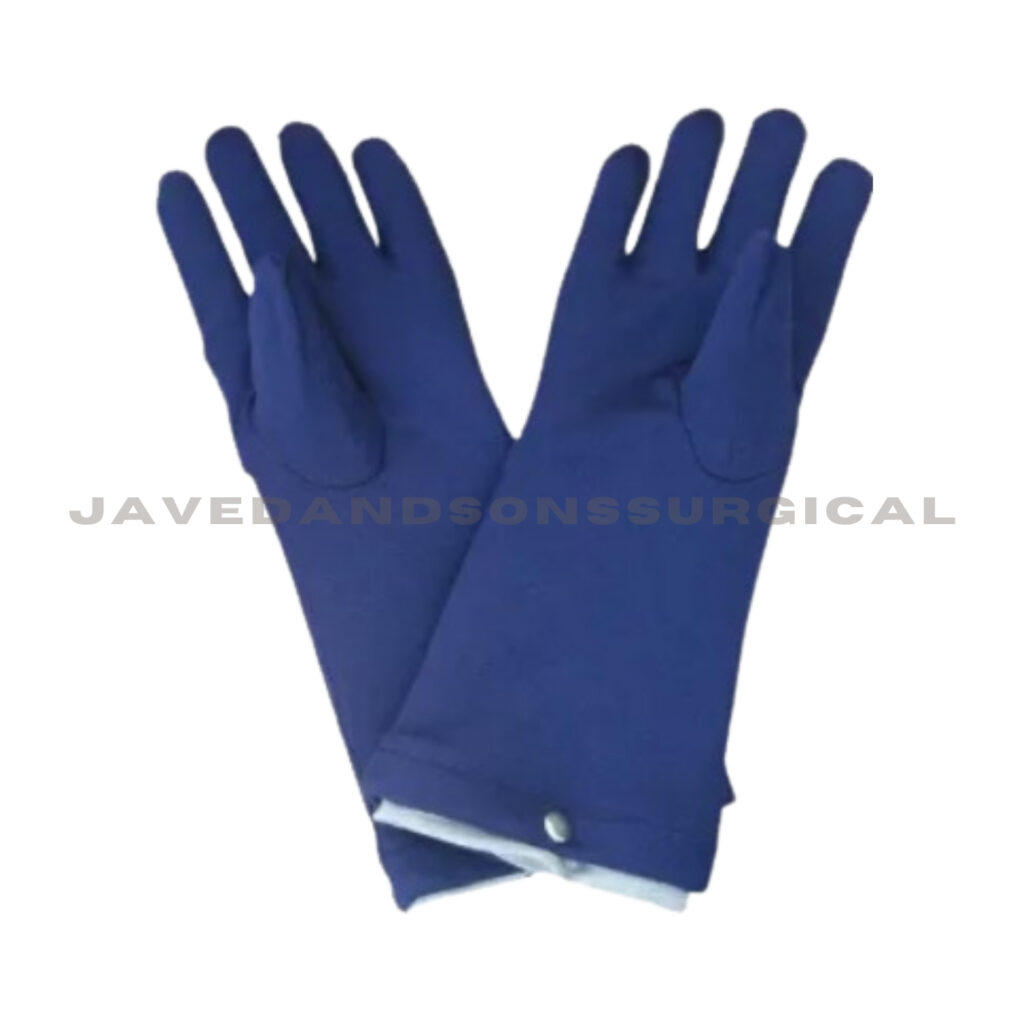
If you’ve ever worked around X-ray machines, C-arms, or fluoroscopy setups, you already know the truth:
Your hands are always the first ones to greet the radiation.It doesn’t matter whether you’re a radiologist, dentist, surgeon, or technician—your hands are constantly close to the action. And trust me, you don’t want to gamble with long-term exposure.That’s why radiation protection gloves aren’t just another “hospital purchase”… They’re a daily safety essential—like a seatbelt, but for your hands.But here comes the complicated part:
There are a LOT of gloves out there. Some are stiff, some are heavy, some claim “ultimate protection” but feel like you’re wearing melted tires.So let’s make this simple and human.
Here are the top-rated radiation protection gloves for medical use—explained in an easy, no-nonsense way.
Infab RadiGuard Gloves — The All-Rounder You Can’t Go Wrong With.
Imagine gloves that actually protect you and let you move your fingers like a normal human.
That’s Infab’s RadiGuard.
Why people love them:
They’re protective, flexible, and don’t make you feel like you’re performing surgery with oven mitts on.
Best for:
Interventional radiologists, cath lab teams, or anyone doing procedures all day long.
Bar-Ray Lead Gloves — Comfort Kings
If comfort is your priority (and honestly, whose isn’t?), Bar-Ray gloves are like the premium cushion seats of radiation safety gear.
Why they’re great:
- Lightweight
- Smooth inside
- Don’t tire your hands
Perfect for long-hour X-ray rooms and busy dental clinics.
Protech Lead-Free Gloves — Because Not Everything Needs to Be Toxic
These gloves are for people who say:
“I want protection, but I also don’t want to carry 300 grams of lead on my hands.”
Protech uses lead-free material, but still gives solid shielding.
Good for:
Clinics that want safer, environmentally friendly equipment.
Shielding International Gloves — Heavy-Duty Lifesavers
If your procedures involve higher scatter radiation (orthopedic trauma, vascular procedures, etc.), these gloves are made for you.
Why they stand out:
They’re thicker, tougher, and designed for areas with more exposure.
These are the “strong, silent type” of gloves.
Univet Radiation Gloves — For People Who Need Precision
If your work requires delicate, precise movements—dentists, surgeons, you know who you are—Univet gloves give you protection without sacrificing sensitivity.
Why they rock:
They feel like regular gloves, just… radiation-proof.
So, How Do You Choose the Right Pair?
Here’s the honest breakdown, no medical jargon:
Pick the right thickness
More thickness = more protection (usually 0.25mm–0.50mm Pb).
But if it’s too thick, your hands will hate you.
Think about your work
- Dental X-rays → lighter gloves
- Fluoroscopy → medium thickness
- Interventional radiology → heavy-duty protection
Make sure the gloves fit right
Loose gloves reduce precision.
Tight gloves = torture.
Buy certified gear
Always look for:
- CE certification
- ISO compliance
- Reputable brands
If it’s unbranded… just no.
Where to Buy These Gloves (Especially in Pakistan)
You can find premium radiation protection gloves through:
- Medical equipment distributors
- Radiology supply stores
- Hospital procurement vendors
- Online platforms like Daraz (choose reputable sellers)
- Manufacturer-authorized dealers
Don’t buy cheap knock-offs just because they’re shiny. Your hands deserve better.
Final Thoughts
Radiation gloves might not be the flashiest medical item, but they quietly protect you every single day. Think of them as loyal bodyguards for your hands—always there, always shielding, never asking for a thank-you.
Choosing a top-rated pair isn’t just about buying equipment.
It’s about protecting your long-term health, so you can keep doing what you do best: caring for patients.