
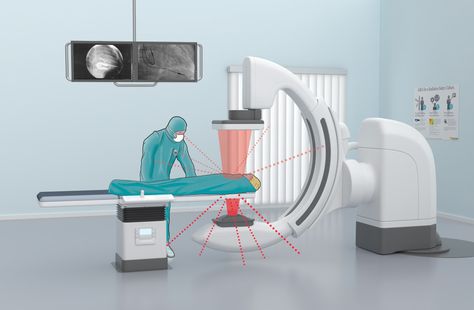
Setting up or upgrading an X-ray lab comes with a long checklist, but one thing that should never slip through the cracks is radiation protection. Aprons, shields, glasses—all these tools might seem basic, but the right ones can make a huge difference in everyday safety.
If you’ve ever felt overwhelmed by all the options, you’re definitely not alone. Here’s a simple, down-to-earth guide to choosing protection gear that actually works for your team.
1. Start With the Basics: Know What You Actually Need
Before looking at specs or brands, it helps to know the essential pieces most X-ray labs use:
-
Lead aprons
-
Thyroid collars
-
Lead or radiation-safety glasses
-
Protective gloves
-
Mobile shields
-
Curtains or barriers
-
Dosimeter or monitoring badges
No need to buy everything at once—focus on what your team uses daily and expand as needed.
2. Check the Protection Level (Lead Equivalence)
This is the part that sounds technical but is easy to understand. Lead equivalence tells you how much radiation the material blocks.
Here’s a quick way to look at it:
-
0.25 mm Pb → Light protection
-
0.35 mm Pb → Good for routine imaging
-
0.5 mm Pb → Best for long or high-dose procedures
Think of it like sunscreen: the higher the rating, the stronger the protection, but sometimes a lighter option is more comfortable if exposure is low.
3. Comfort Really Does Matter
Anyone who’s worn a heavy apron for a full shift knows how important comfort is. The safest apron in the world doesn’t help much if people dread wearing it.
When comparing options, look for:
-
Lightweight materials
-
Flexible design
-
Cushioned shoulders
-
Adjustable straps
-
A fit that doesn’t restrict movement
Your team will wear the gear more consistently if it feels good.
4. Pay Attention to Build Quality
Radiation protection equipment should last years—not tear, crack, or fold after a few months.
A few signs of good quality:
-
Smooth, wrinkle-free internal layers
-
Strong stitching
-
Durable outer fabric
-
Easy-clean surfaces
-
No “crunchy” sounds that hint at cracking
Quality matters because even tiny cracks can reduce the level of protection without being visible.
5. Choose Designs That Match Your Daily Workflow
Not all aprons are created for the same job. Think about what your team actually does:
-
Mostly stand facing the source? → Front-protection apron
-
Move around a lot? → Full-wrap apron
-
Long procedures or fluoroscopy work? → Mobile shield
-
Sensitive areas like the thyroid? → Collars are non-negotiable
Better alignment with workflow = better safety + happier staff.
6. Don’t Ignore Storage
One of the biggest hidden reasons protection gear fails early is bad storage. Folding or stacking lead aprons damages the internal layers over time.
To make your gear last longer, plan for:
-
Sturdy apron hangers
-
Wall-mounted racks
-
Flat, open storage where aprons can rest naturally
A little organization goes a long way.
7. Use Monitoring Badges as Part of the Routine
Even with all the right gear, you still want a way to track exposure over time. Badges (like TLD or digital dosimeters) give you a quiet, behind-the-scenes way to monitor safety levels.
It’s a simple habit that builds a culture of awareness and responsibility.
8. Balance Cost With Practicality
It’s tempting to grab the cheapest option, but radiation protection is one area where cutting corners isn’t worth the risk. That said, you don’t always need the most expensive product either.
A smart approach:
-
Pick reliable materials
-
Look at how long the gear will last
-
Compare warranties
-
Make sure comfort matches price
Aim for “worth it,” not just “cheap.”
Final Thoughts
Choosing the right radiation protection accessories doesn’t have to feel like a technical exam. Focus on comfort, durability, proper protection levels, and how the gear fits into your daily workflow. When you get these things right, your lab becomes safer, your team feels more supported, and your equipment lasts much longer.
If you want, I can also rewrite this in: