
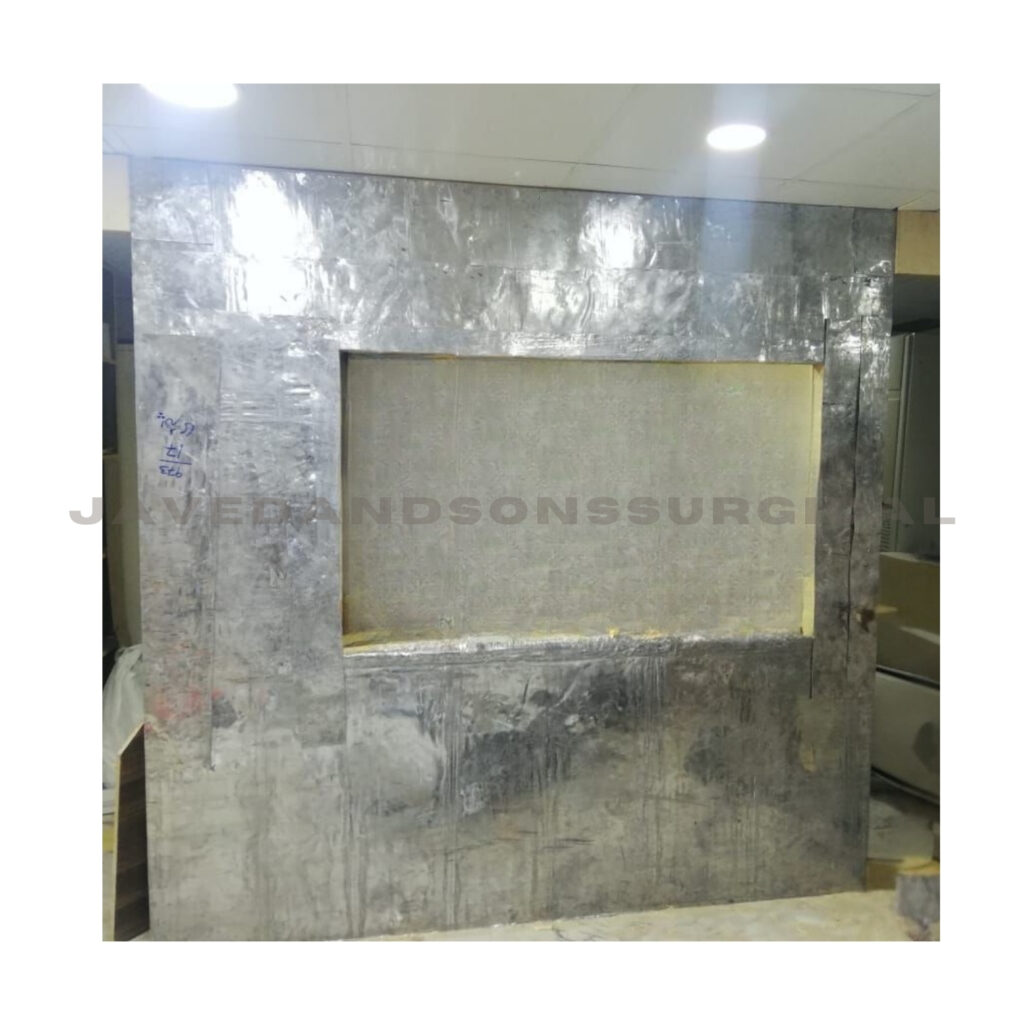
If you’ve ever walked past an X-ray room and wondered what keeps that radiation from leaking out, the answer is usually something you never get to see: lead sheets.
They’re hidden inside the walls, behind the doors, sometimes even beneath the flooring — yet they do one of the most important jobs in any imaging or industrial environment.
Let’s break it down in normal, everyday language.
So… What Exactly Are Lead Sheets?
Lead sheets are basically thin, flexible layers made from solid lead. Lead might not sound very exciting, but it has one powerful quality: it’s incredibly dense. That density is what stops X-rays and other forms of radiation from passing through.
In simple words, a lead sheet is like a strong shield.
You can bend it, cut it, shape it — and once it’s installed, it quietly does its job without anyone thinking about it again.
Why Do We Even Need Lead Sheets?
Radiation is useful, but only when it stays in the room where it belongs.
If it escapes into hallways, offices, or waiting areas, it can become dangerous.
Lead sheets make sure that doesn’t happen.
They help:
-
Keep patients safe
-
Protect doctors and technicians
-
Maintain proper shielding according to regulations
-
Make sure imaging rooms work the way they’re supposed to
Even a small thickness of lead can block a surprising amount of radiation.
Where You’ll Find Lead Sheets Being Used
You’d be surprised how many places rely on these sheets. Here are some of the most common ones:
1. X-ray and Imaging Rooms
Most hospitals and clinics have lead sheets tucked inside the walls, ceilings, and even doors of their X-ray rooms.
2. CT Scan, Mammography & Fluoroscopy Rooms
These machines produce stronger radiation, so thicker lead sheets are used.
3. Lead-Lined Doors
Those heavy doors you push when entering an X-ray room?
There’s usually a lead sheet hiding inside them.
4. Industrial Factories
Industries that use radioactive materials or high-energy equipment use lead sheets to shield machines, pipes, and testing areas.
5. Research Labs
Scientists working with radioactive samples rely on lead sheets for walls, cabinets, and testing boxes.
6. Soundproofing
Interestingly, lead sheets also help block sound because of their density — so they sometimes show up in studios and machinery rooms.
Why Lead Sheets Are Such a Popular Choice
Here are a few reasons they’re widely used:
-
They block radiation extremely well
-
They’re flexible and easy to install
-
They don’t wear out quickly
-
They can be customized to any room
-
They’re cost-effective compared to other shielding materials
Once installed, they generally last for decades.
Choosing the Right Thickness
Not all rooms need the same protection.
A dental X-ray room might only need thin sheets, while a CT scan room needs much thicker ones. A radiation specialist usually calculates this based on the machine’s output and room layout.
How They’re Installed
The installation is usually done by professionals. It goes something like this:
-
The room is inspected for shielding requirements.
-
Lead sheets are cut to match the walls and doors.
-
They’re fixed in place, usually behind drywall or wood panels.
-
Joints are sealed so no gaps are left.
-
Final testing ensures the room is safe.
Once everything is covered up, you’d never know lead is inside — but it’s working 24/7.
Are Lead Sheets Safe to Handle?
Yes.
They’re usually sealed inside walls, so nobody touches them directly after installation. Workers handling raw sheets wear gloves like with any building material. Once installed, they’re completely safe.
Final Thoughts
Lead sheets are one of those things people rarely talk about, but almost every medical or industrial facility depends on them. They quietly protect staff, patients, and workers from unnecessary radiation — and they do it with simple, reliable efficiency.
If you’re planning a new X-ray room or upgrading an existing one, lead sheets are often the core of the entire safety system. They may not look special, but their job is essential.